About the Workshop
The workshop aims to bring together graduate students, postdoctoral researchers, early-career academics, senior researchers, and experts from across the cryptography community to discuss some of the most significant recent developments. The program will feature a combination of introductory and advanced lectures delivered by leading researchers, focusing on influential ideas, techniques, and results that have shaped the field, including work appearing in leading international conferences in cryptography and theoretical computer science over the past few years.
Speakers
Schedule
Bio
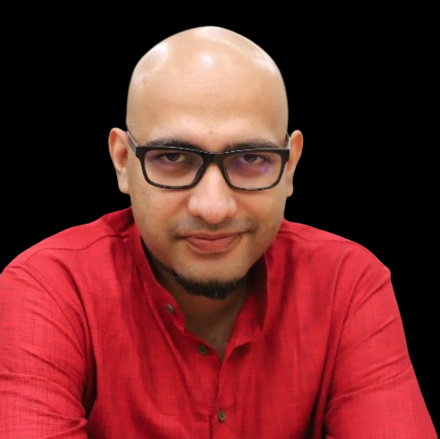
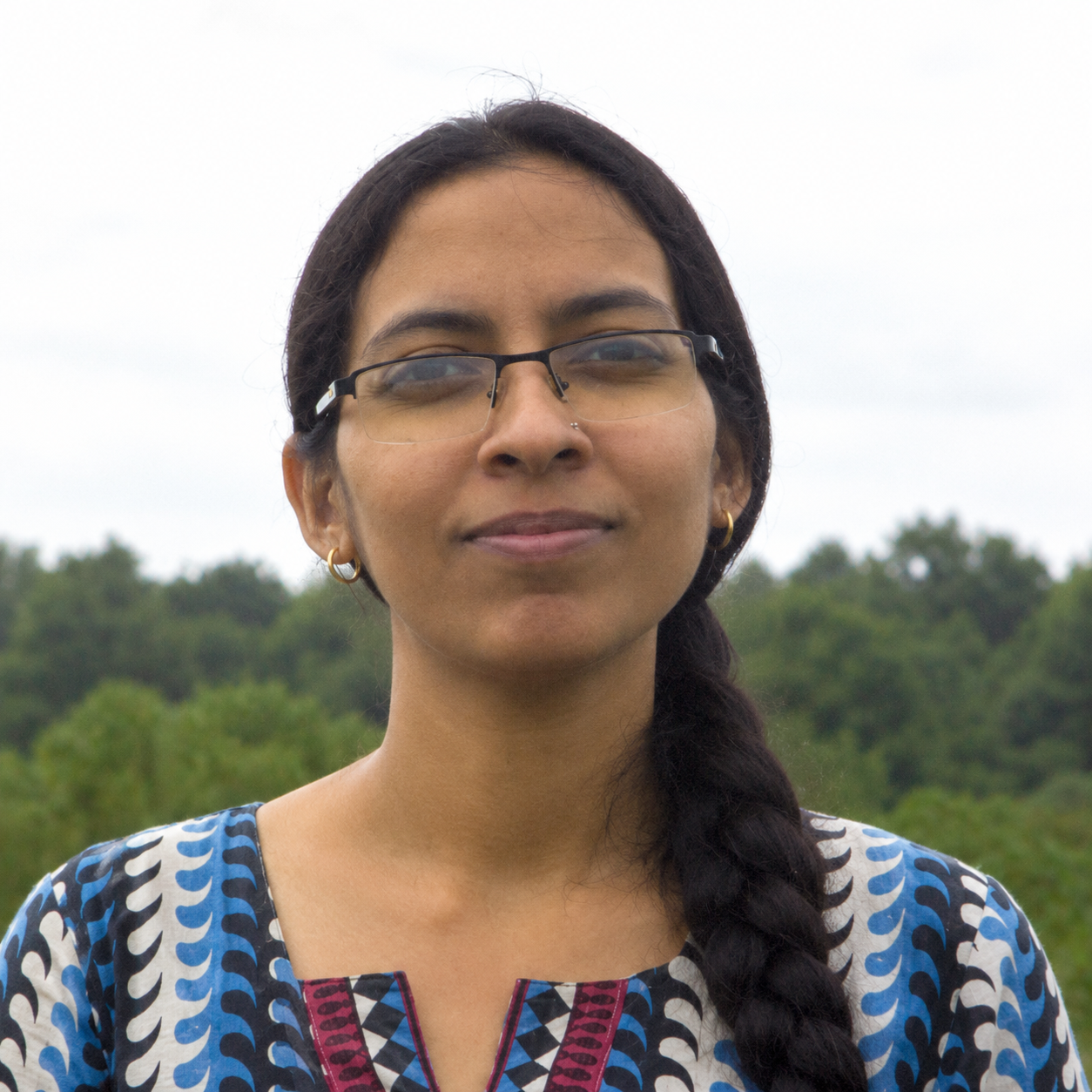
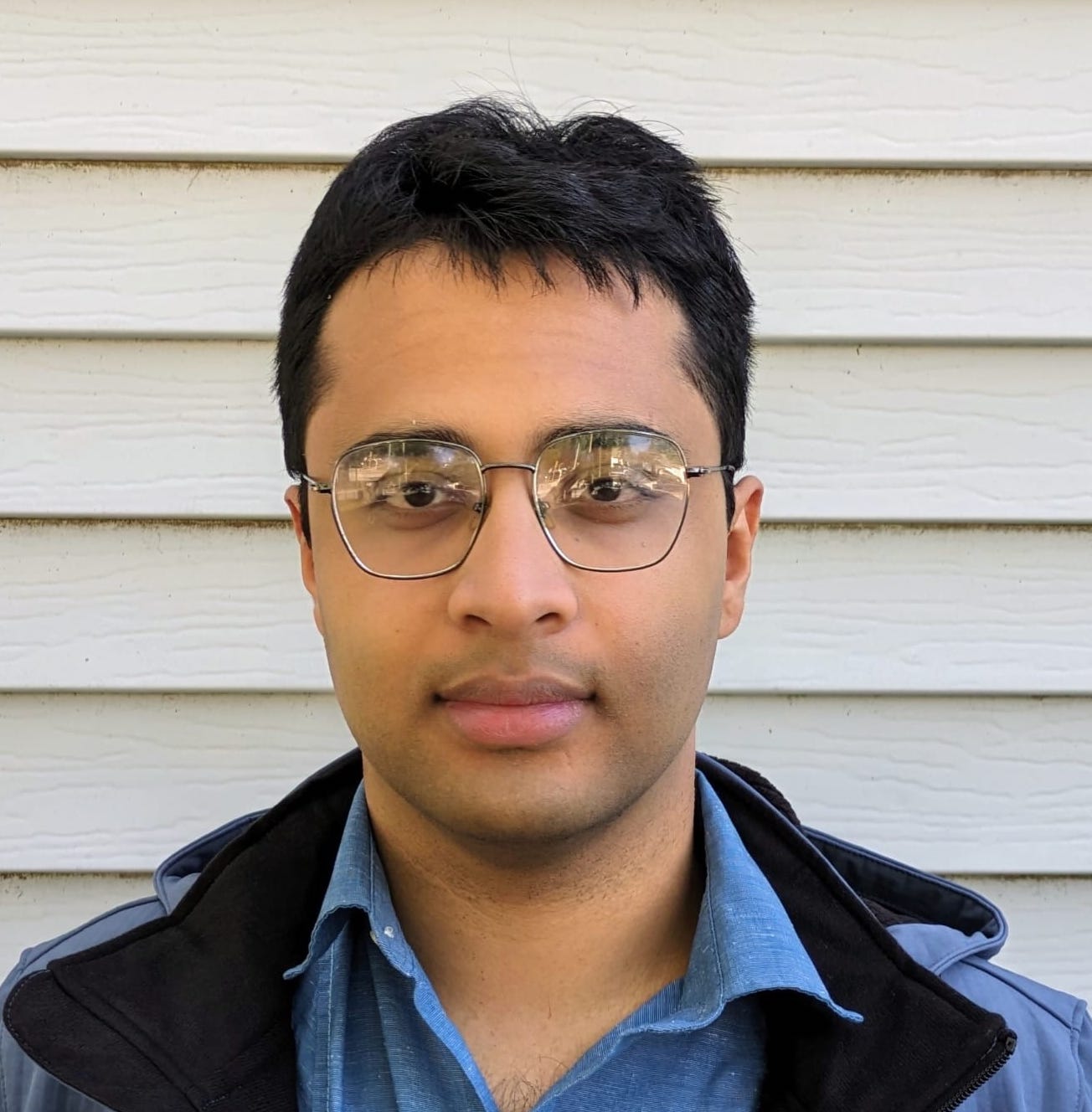
Chethan Kamath is an Assistant Professor in the Department of Computer Science and Engineering at IIT Bombay, where he is a member of the Theory Group and Trust Lab. His primary research area is cryptography, particularly its foundations, with broader interests in theoretical computer science.
Bio
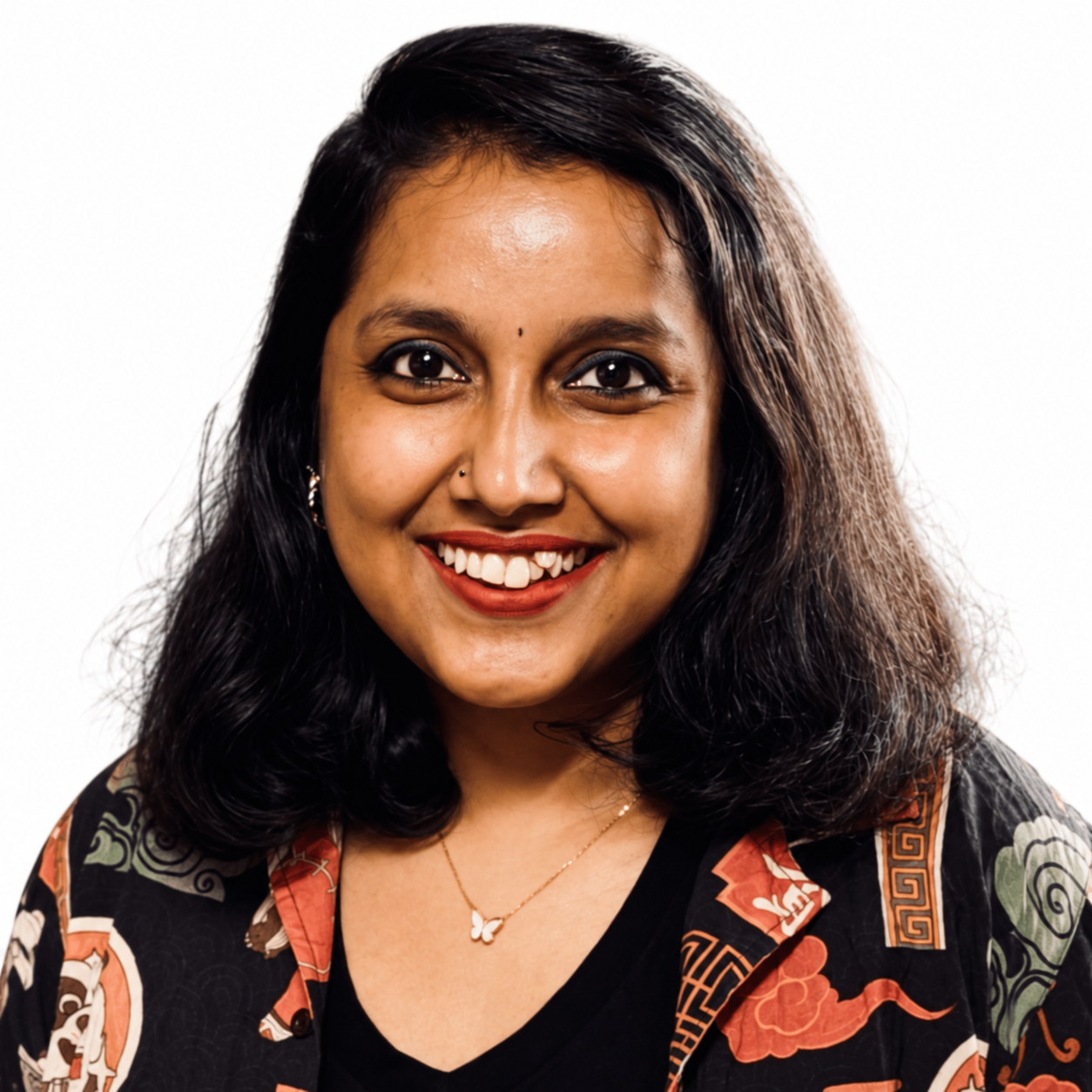
Sruthi Sekar is an Assistant Professor in the Department of Computer Science and Engineering at IIT Bombay and a Principal Investigator at IITB Trust Lab. Her research interests are in cryptography and theoretical computer science. Before joining IIT Bombay, she was a postdoctoral researcher at UC Berkeley, hosted by Sanjam Garg. She completed her PhD at the Indian Institute of Science, advised by Bhavana Kanukurthi and Manjunath Krishnapur.
Bio
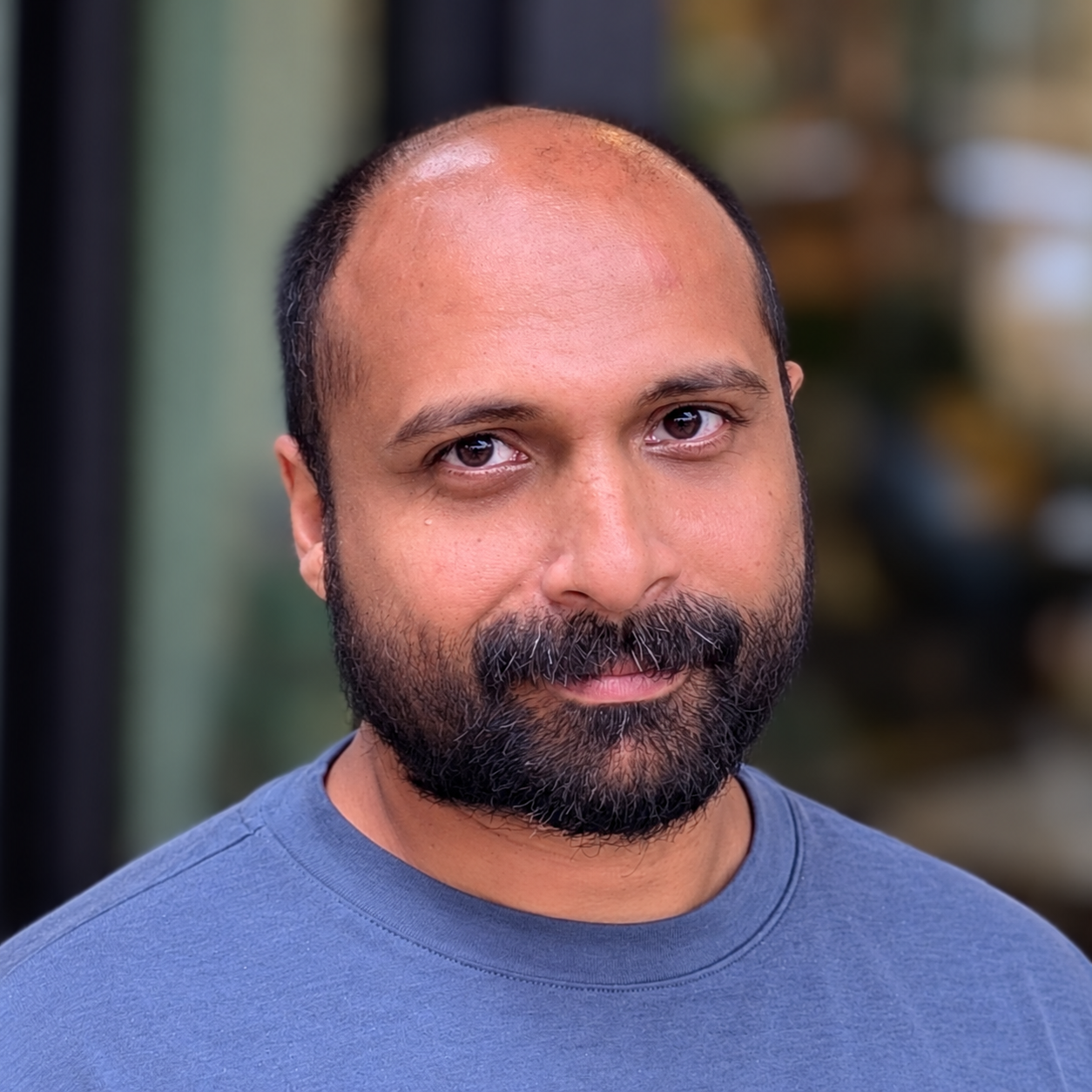
Pratyay Mukherjee is a Principal Researcher at Hashgraph, a Visiting Scientist and Guest Faculty member at ISI Kolkata, and the Founder and Director of AlgoBengal Research Labs. His research encompasses cryptography and security, with recent work focusing on applications of cryptography in payments and blockchain.
Bio
Anshu Yadav is an Assistant Professor in the Computer Science and Engineering Department at IIT Kanpur. Her research interests are in theoretical cryptography, especially constructions of advanced cryptographic primitives under various assumptions. Before joining IIT Kanpur, she was a postdoctoral researcher in Krzysztof Pietrzak's group at the Institute of Science and Technology Austria. She completed her PhD at IIT Madras.
Bio
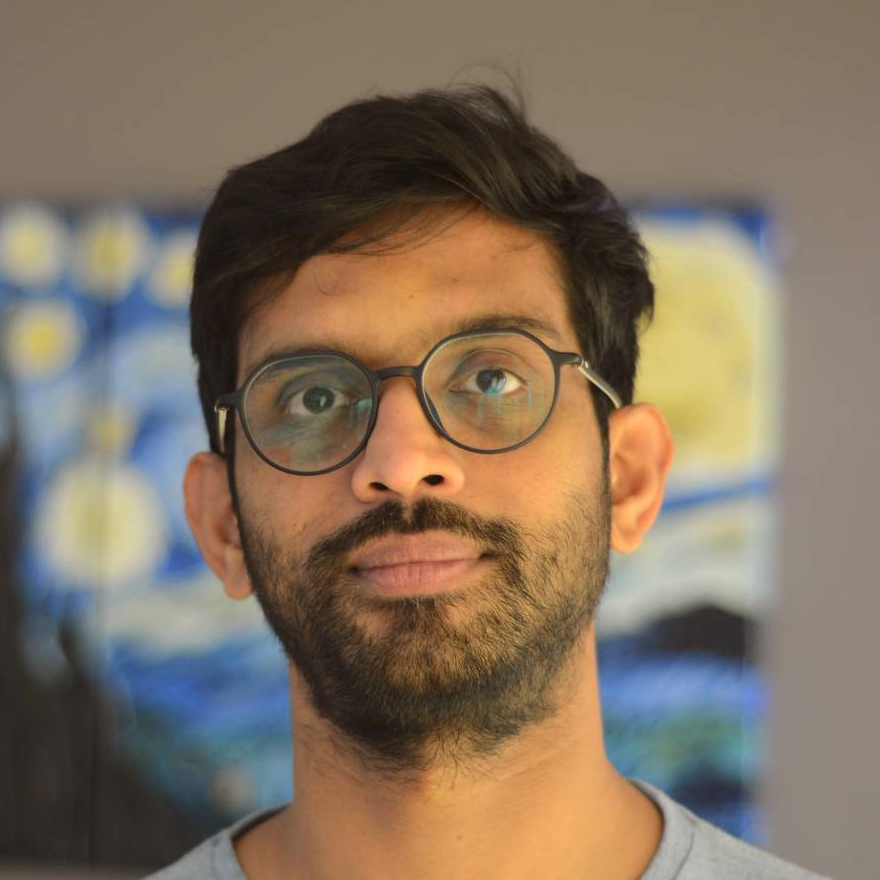
Kabir Tomer is a fourth-year PhD student at UIUC, advised by Dakshita Khurana. He is broadly interested in theoretical computer science, with research focusing on questions at the intersection of quantum computing and cryptography. Previously, he was an undergraduate at IIT Delhi advised by Venkata Koppula.
Bio
Venkata Koppula is an Assistant Professor in the Department of Computer Science and Engineering at IIT Delhi. His research interests are in theoretical cryptography, including both classical and quantum cryptography. Before joining IIT Delhi, he was a postdoctoral researcher at the Weizmann Institute of Science, hosted by Zvika Brakerski. He obtained his PhD from the University of Texas at Austin, advised by Brent Waters.
Bio
Mahesh Sreekumar Rajasree is an Assistant Professor at the University of Warsaw. His research focuses on public-key cryptography and quantum cryptography. Previously, he was a Postdoctoral Researcher at CISPA Helmholtz Center for Information Security, hosted by Prof. Nico Doettling. Before joining CISPA, he was a Postdoctoral Fellow at IITD under the guidance of Prof. Venkata Koppula. He completed his PhD and MTech at IIT Kanpur under Prof. Manindra Agrawal.
Organisers
Participate
[PLACEHOLDER: Registration information, eligibility, registration deadline, fees if any, and other instructions.]
Registration Coming SoonVenue & Travel
Venue
The workshop is part of FSTTCS 2026, which will be held at Indian Institute of Technology Delhi, Hauz Khas, New Delhi 110016, India. The workshop venue is Bharti Building, IIT Delhi.
Getting There
- By air: Indira Gandhi International Airport (DEL) is about 10-12 km from IIT Delhi. Prepaid taxis and app-based cabs are available from the airport. From Terminal 1, the Delhi Metro Magenta Line connects to IIT Delhi Metro Station; from Terminal 3, use the airport shuttle to Terminal 1 or take a cab directly.
- By train: New Delhi Railway Station and Hazrat Nizamuddin Railway Station are both about 14-15 km from IIT Delhi. Taxis and app-based cabs are available from the stations. By metro, travel towards Hauz Khas/IIT Delhi and continue to IIT Delhi Metro Station on the Magenta Line.
- By metro: IIT Delhi Metro Station is on the Magenta Line and is the closest metro stop for the campus.
Accommodation
[PLACEHOLDER: Accommodation information will be updated.]